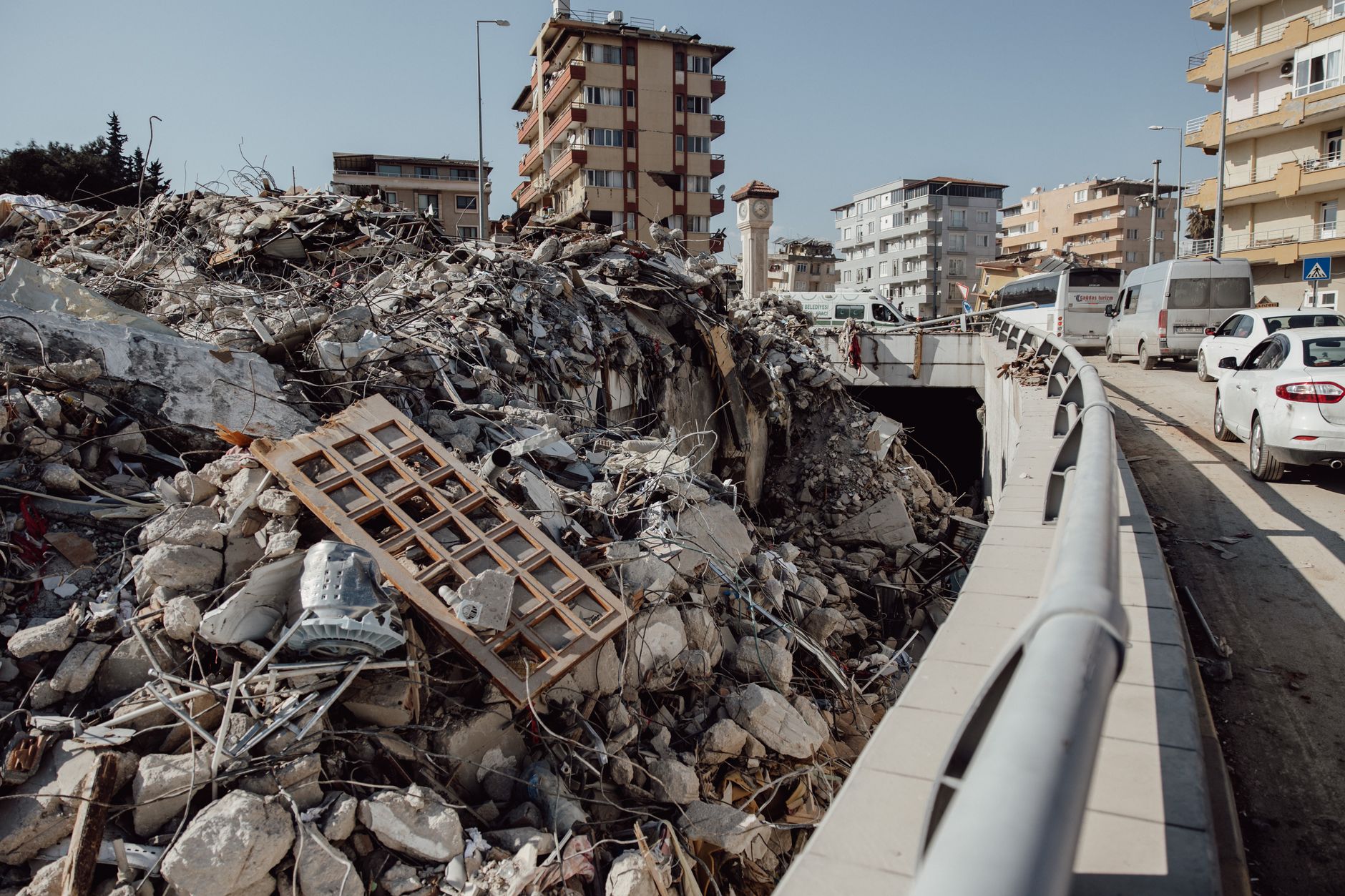
A federal disaster declaration is a presidential decision authorizing specific federal aid after an emergency or major disaster. It usually follows a governor's or tribal leader's request showing that the incident exceeds state and local response capacity. A declaration does not automatically cover every affected place, program, or resident. Its practical value depends on the areas and forms of assistance the president authorizes.
Table of Contents
- Major disaster or emergency?
- Who requests a declaration?
- What does the president approve?
- What assistance can a major disaster unlock?
- What should affected residents check?
Major disaster or emergency?
A major disaster covers specified natural catastrophes, as well as fires, floods, or explosions regardless of cause. An emergency is broader: It covers circumstances requiring federal help to save lives, protect property or public health and safety, or prevent a catastrophe.
In both cases, federal aid supplements other response efforts. Under the Stafford Act standard in 42 U.S.C. §5170, the president may declare a major disaster when state and local capabilities are overwhelmed and federal assistance is necessary.
Who requests a declaration?
governors normally request emergency and major-disaster declarations. A federally recognized Tribal Chief Executive may submit a request directly rather than relying on a state.
before requesting aid, the governor or tribal leader must activate the appropriate emergency plan, document committed resources, and show that the response is insufficient. Officials ordinarily follow these steps: According to FEMA's declaration-process guidance, catastrophic incidents may receive expedited consideration before joint assessments are finished. Initial assistance is usually limited until officials complete those assessments.
- State, local, tribal, and FEMA officials conduct Preliminary Damage Assessments.
- The requester identifies affected areas and the assistance believed necessary.
- FEMA evaluates the request and recommends an action.
- FEMA sends the decision package to the White House for presidential action.
What does the president approve?
The president decides whether to issue a declaration and which assistance to authorize. The declaration can cover only designated areas and selected programs, even when damage extends farther. Coverage can change as officials gather more information.
📨 Get Free News Stories Alerts
Free · No spam · Unsubscribe anytime
A later amendment may add a county or authorize another assistance category, as reflected in FEMA's Federal Register notices for declarations and related amendments. That means two neighboring counties can have different federal assistance available. It also means an early declaration may not represent the final geographic or program scope.
What assistance can a major disaster unlock?
Major-disaster assistance is divided into separate programs rather than delivered as one universal benefit: Authorization for one category does not authorize the others. A county listed for Public Assistance, for example, is not necessarily approved for Individual Assistance. Even where Individual Assistance is authorized, each applicant must still satisfy the program's eligibility requirements.
- Individual Assistance may help eligible survivors.
- Public Assistance may support state, local, tribal, and territorial governments, along with certain nonprofit organizations.
- Mitigation funding may support work intended to reduce future disaster risks.
What should affected residents check?
Start with the declaration and any later amendments, not simply an announcement that federal aid was approved. Check: Emergency declarations have tighter statutory limits.
Under 42 U.S.C. §5193, the federal share is at least 75% of eligible costs and assistance is ordinarily capped at $5 million per emergency. The president may exceed that cap only after finding that continued aid is immediately required and reporting the overage to Congress.
- Whether the declaration is for an emergency or a major disaster.
- Whether your county or tribal area is designated.
- Which assistance categories are authorized there.
- Whether later amendments expand the covered areas or programs.
- Whether you meet the requirements of the specific program you seek.
You Might Also Like
- Washington Governor Suspends State Laws to Speed Wildfire Recovery in Seven Counties
- 98 Large Wildfires Burning Nationwide as Year-to-Date Acreage Passes 6.3 Million
- How the Federal Reserve Sets Interest Rates