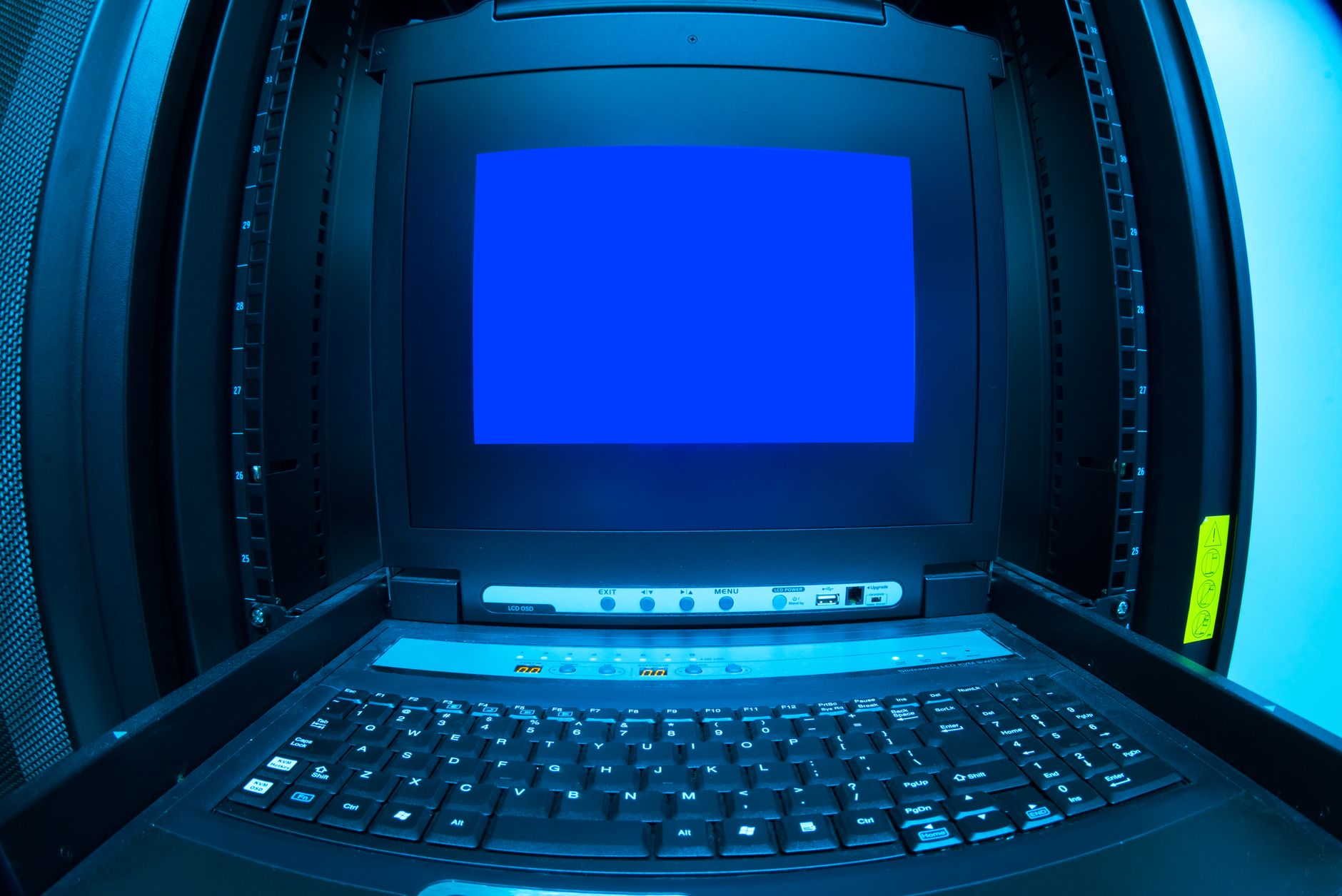
A data center draws electricity for computing equipment and the infrastructure that keeps it operating, including cooling, power systems and lighting. Its grid load can range from modest demand to tens of megawatts for a newly built large facility. Two measurements matter: megawatts describe demand at a given time, while terawatt-hours measure energy consumed over a year. Both affect how utilities plan generation, transmission and backup capacity.
Table of Contents
- Where the electricity goes
- How large is the national load?
- Why location matters more than the national percentage
- How much could demand grow?
- What communities and customers should examine
Where the electricity goes
Servers, data storage and networking equipment perform the computing work. Cooling equipment removes their heat, while electrical systems distribute and condition power throughout the facility. Infrastructure accounted for 30% of U.S. data-center electricity use in 2023, according to Lawrence Berkeley National Laboratory.
That share fell from 40% in 2014 as power-use effectiveness improved. Power-use effectiveness compares a facility's total electricity with the electricity delivered to its computing equipment. This distinction matters when evaluating efficiency claims. A more efficient cooling system can reduce overhead, but the facility's total consumption may still rise if it installs more or higher-powered servers.
How large is the national load?
U.S. data centers consumed an estimated 176 terawatt-hours in 2023, equal to 4.4% of national electricity use, according to the Lawrence Berkeley National Laboratory report. That estimate includes computing equipment and facility infrastructure.
Advanced servers used for artificial intelligence helped more than double data-center electricity consumption between 2018 and 2023. By the end of 2025, the federal Energy Regulatory Commission estimated that more than 50 gigawatts of data-center capacity was operating nationwide. Annual consumption and capacity are not interchangeable. Capacity describes how much power facilities can demand, while annual consumption depends on how heavily and how often that equipment runs.
Why location matters more than the national percentage
Data centers cluster in particular places, so their effect can be much larger on a local grid than the 4.4% national figure suggests. The International Energy Agency says this geographic concentration makes the load harder to integrate. newly operating U.S. data centers averaged almost 80 megawatts in 2025, up from 25 megawatts in 2020.
📨 Get Free News Stories Alerts
Free · No spam · Unsubscribe anytime
FERC says facilities at that scale may require new generation or transmission before they can connect reliably, as detailed in its March 2026 market assessment. FERC found nationwide resources adequate for normal conditions in its 2025 summer assessment. It also warned that reserve margins were tightening in several major grid regions as generation retired and hyperscale loads grew. A national surplus therefore does not establish that every local system can serve a proposed project without upgrades.
How much could demand grow?
Lawrence Berkeley National Laboratory estimated that U.S. data centers could consume roughly 325 to 580 terawatt-hours in 2028. That would equal 6.7% to 12% of forecast national electricity use and, assuming 50% average utilization, 74 to 132 gigawatts of demand.
That wide range is a set of scenarios, not a settled forecast. The result depends on GPU shipments, the operating power and running hours of advanced servers, and the efficiency and design of cooling systems. The International Energy Agency expects the United States and China together to supply nearly 80% of global data-center demand growth through 2030. That outlook reinforces the likelihood of concentrated pressure, but it does not identify which individual projects will proceed or how intensively they will operate.
What communities and customers should examine
Meeting data-center demand does not require only new power plants. The Energy Department identifies generation, storage, transmission expansion, efficiency and flexible demand as complementary options for protecting reliability and affordability in its data-center electricity guidance. When a utility or regulator considers a large data-center connection, readers can look for specific answers: If public filings give only a yearly energy estimate, ask for the project's peak megawatt demand and the grid upgrades tied to it.
- How many megawatts will the facility request, and how quickly will demand increase?
- Will the connection require new generation, transmission or storage?
- Who will pay for those additions?
- Can the operator reduce or shift demand when the grid is strained?
- What cooling and power-system efficiencies are included?
You Might Also Like
- Texas Freezes Data Center Grid Approvals Pending State Audit
- How Large Language Models Are Trained
- What to Do When a Product You Own Is Recalled