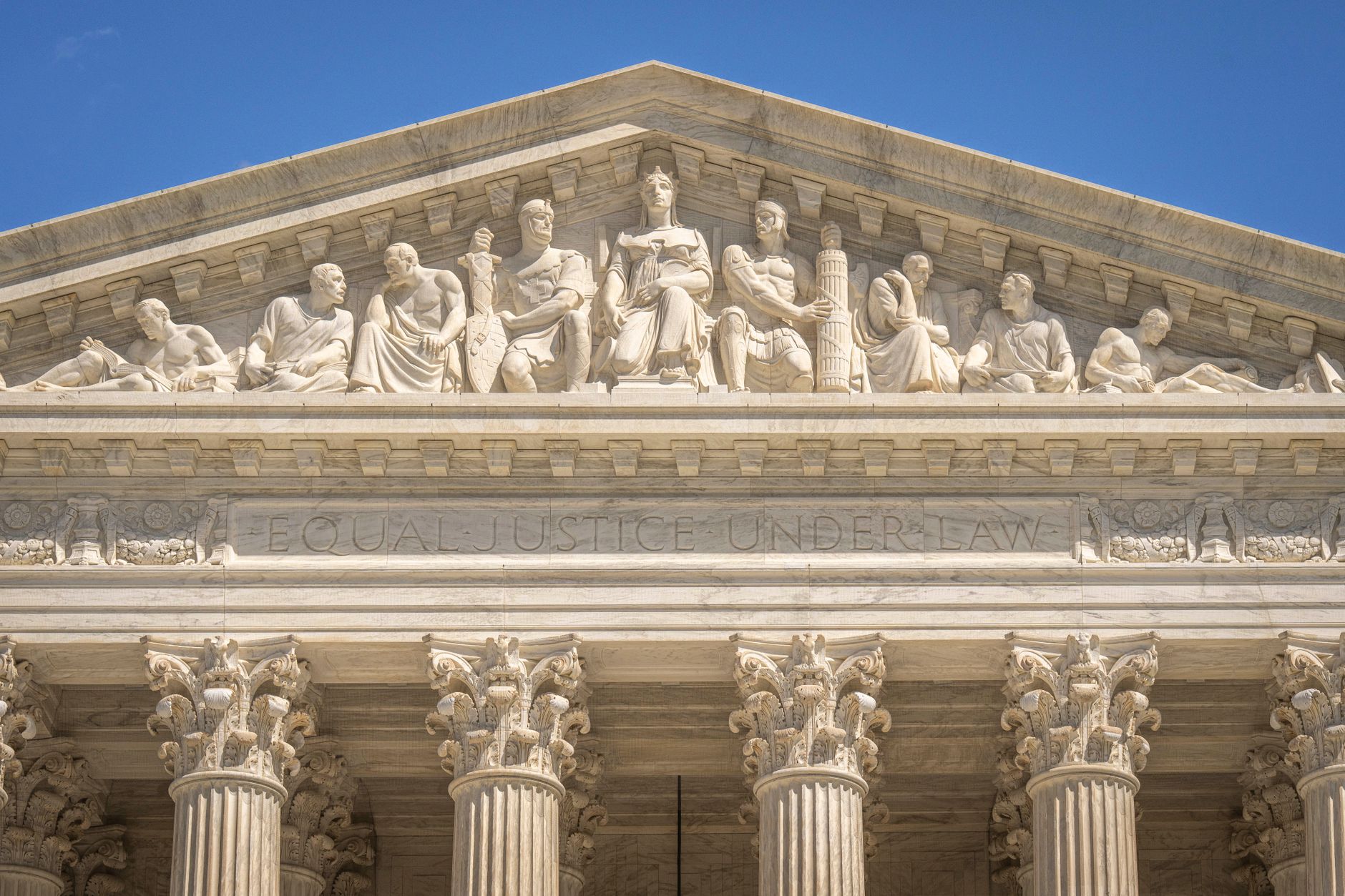
The Supreme Court will weigh whether Colorado may require religious preschools in its publicly funded program to follow a statewide nondiscrimination policy. It has not decided the dispute; oral argument in St. Mary Catholic Parish v.
Roy is scheduled for November 3, 2026, according to the Supreme Court docket. Colorado Universal Preschool is a voluntary program delivered through public and private providers. The case concerns the conditions those providers must accept to receive public funding.
Table of Contents
- What does Colorado require?
- Why do the Catholic preschools object?
- How does Colorado defend the policy?
- What will the Supreme Court decide?
- What changes while the case is pending?
What does Colorado require?
Colorado says every child may receive up to 15 hours of preschool each week during the year before kindergarten. Families can obtain those publicly funded services through participating public or private providers, according to the Colorado Department of Early Childhood. Participating providers must offer equal enrollment opportunities regardless of race, religion, sexual orientation, gender identity, income or disability.
The U.S. Justice Department's Supreme Court brief describes that requirement as applying to children and families. The dispute therefore concerns access to a state-funded program. It does not involve a ruling on the Catholic preschools' religious doctrine or their operation outside the program.
Why do the Catholic preschools object?
The Archdiocese of Denver concluded that the prohibition on considering LGBT status conflicted with Catholic admissions practices. It directed its preschools not to participate and requested an exemption for faith-based providers, which Colorado denied. The Catholic petitioners argue that Colorado has excluded them from a public benefit because of their religious practices.
Their Supreme Court petition emphasizes provisions involving low-income children, children with disabilities and other communities. In their view, those provisions show that Colorado allows some enrollment preferences while rejecting a preference tied to Catholic beliefs about sex and gender. That distinction is central to their claim that the policy burdens religion selectively.
How does Colorado defend the policy?
Colorado says religious providers may participate if they follow the same nondiscrimination rule as every other provider. It characterizes the rule as neutral because it does not expressly exclude religious schools. The state also rejects the comparison with provisions concerning income and disability.
📨 Get Free News Stories Alerts
Free · No spam · Unsubscribe anytime
It says those provisions protect access for children in those groups rather than excuse providers from equal-enrollment requirements. The two sides thus disagree about what counts as an exception. The petitioners focus on whether Colorado permits comparable secular preferences. Colorado focuses on whether any provider may deny equal access under the program's protected categories.
What will the Supreme Court decide?
The justices accepted two limited questions. First, they will decide whether Colorado's policy is "generally applicable" under Employment Division v. Smith. In this context, that means whether the rule applies consistently or contains comparable secular exceptions that disadvantage religious conduct.
Second, the Court will consider the reach of Carson v. Makin. The question is whether Carson applies only when a government expressly excludes religious providers, or whether it can also apply to a neutral-looking condition that allegedly excludes them in practice. The Court declined to consider whether Smith should be overruled. That limits the case: the justices are reviewing how existing free-exercise principles apply to Colorado's program, not whether to discard Smith entirely.
What changes while the case is pending?
Nothing in the Supreme Court's decision to hear the case invalidates Colorado's policy. On September 30, 2025, the Tenth Circuit upheld the requirement as neutral, generally applicable and rationally related to equal preschool access, according to the court's opinion. That ruling remains operative unless the Supreme Court changes it.
Participating providers must therefore follow the current enrollment condition, while Catholic preschools covered by the archdiocese's direction remain outside the program. Families comparing options should distinguish between a preschool's general availability and its participation in Colorado Universal Preschool. Claims that the Supreme Court has already struck down or approved the policy are premature before the justices issue a decision.
You Might Also Like
- How a Case Reaches the Supreme Court
- Pennsylvania Skill Games Face October 13 Deadline After Court Ruling
- What Happens Between Indictment and Trial