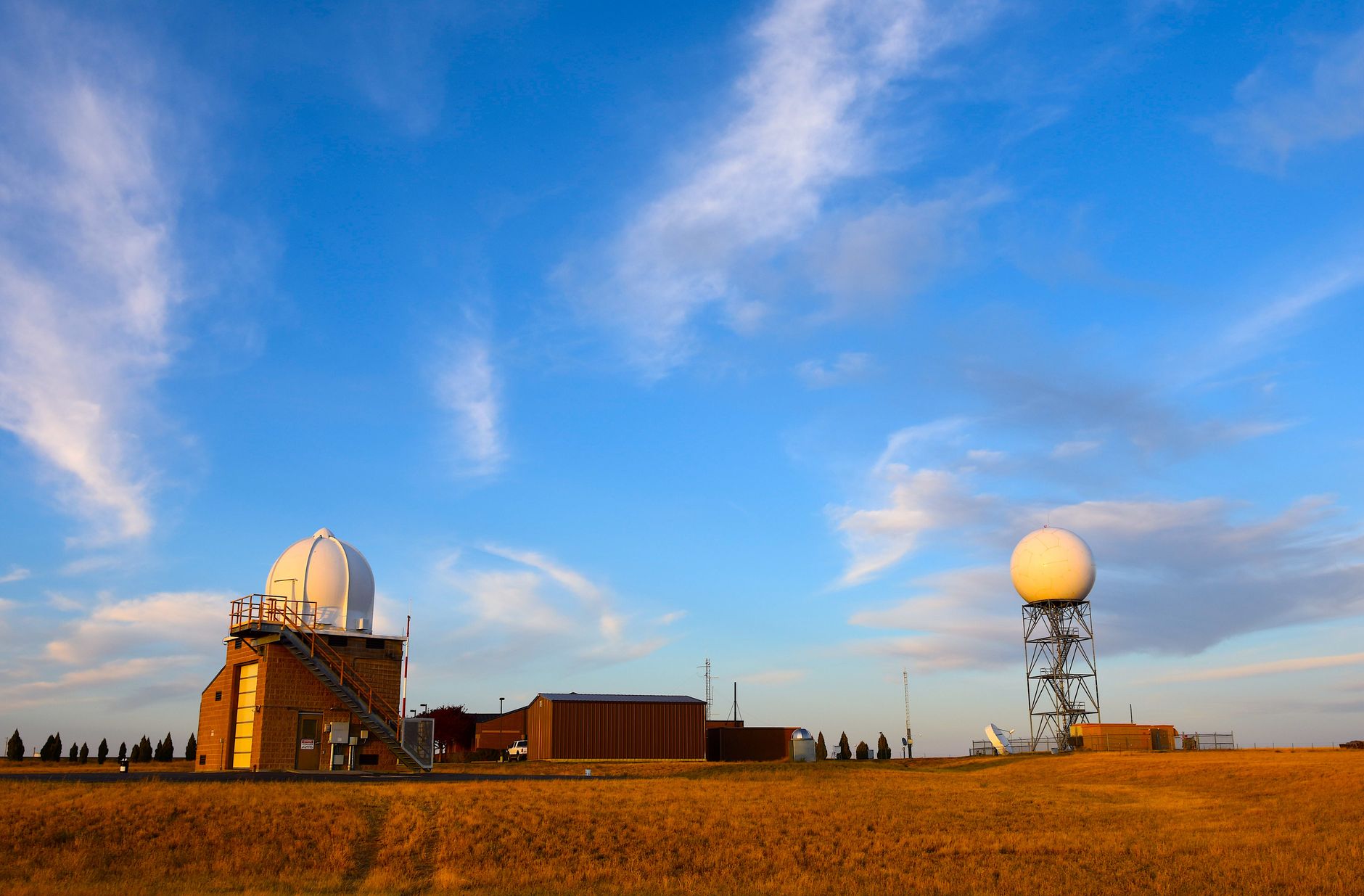
The Olathe, Kansas, plant is part of the federal air-travel modernization plan. It is building next-generation air-traffic surveillance radars under the Federal Aviation Administration's Radar System Replacement program, which replaces aging radar equipment. Defence Industry Europe reported that Indra Group USA won a $342 million FAA contract under that program in the contract award report. Indra said those radars will be produced at its new Kansas City-area facility for nationwide deployment.
Table of Contents
- What the Olathe plant produces
- How Kansas fits the national upgrade
- Will travelers see benefits now?
- What it means for Kansas
What the Olathe plant produces
The Olathe site builds both radars and digital radios for air-traffic control. The radars are long-range sensors that track aircraft positions for controllers.
The radios carry air-to-ground voice and data links between pilots and controllers. Olathe Today reported the plant has delivered 4,500 digital radios to the FAA, including 1,000 in October, in the Olathe plant delivery report. The same report says the plant expects to deliver more than 20,000 additional radios over the next two years.
How Kansas fits the national upgrade
The Kansas work supports the Brand-New Air Traffic Control System initiative. That initiative aims to modernize and secure the National Airspace System, the national network of airports, controllers, radars and radios that guides U.S. flights. Indra Group USA said its Olathe expansion provides capacity to fulfill the FAA radar contract under that effort in the grand-opening announcement.
Transportation Secretary Sean Duffy toured the Olathe plant on Oct. 9. He then publicly cited radar being built in Kansas as part of national air-traffic upgrades. The visit linked factory production directly to federal deployment plans.
📨 Get Free News Stories Alerts
Free · No spam · Unsubscribe anytime
Will travelers see benefits now?
Radios are already reaching the FAA, while radars are still in production. KCTV5 reported that Kansas-built radars had not yet been delivered to the FAA as of November remarks in KCTV5's November report.
Travelers therefore see no immediate benefit from the new radars. The near-term effect comes from replacement radios and future radar supply:.
- Radios support day-to-day controller-pilot communication and system reliability.
- Radars will later replace older surveillance units as federal installation proceeds.
What it means for Kansas
Indra opened its 118,000-square-foot hub at Great Plains Commerce Center in Olathe on April 20, 2026. The project was backed by a $50 million investment. The site centralizes engineering, assembly and testing for FAA equipment.
The project creates more than 200 skilled engineering and manufacturing jobs in Kansas. Those roles support radio output now and radar output as production ramps. The plant expects to deliver more than 20,000 additional radios in two years.
You Might Also Like
- Federal judge in Hawaii rules seabed mining plan violates law
- Does Atlanta’s New Camera Oversight Framework Limit Police Surveillance?
- Virginia Opts Out of Federal Scholarship Tax Credit Program