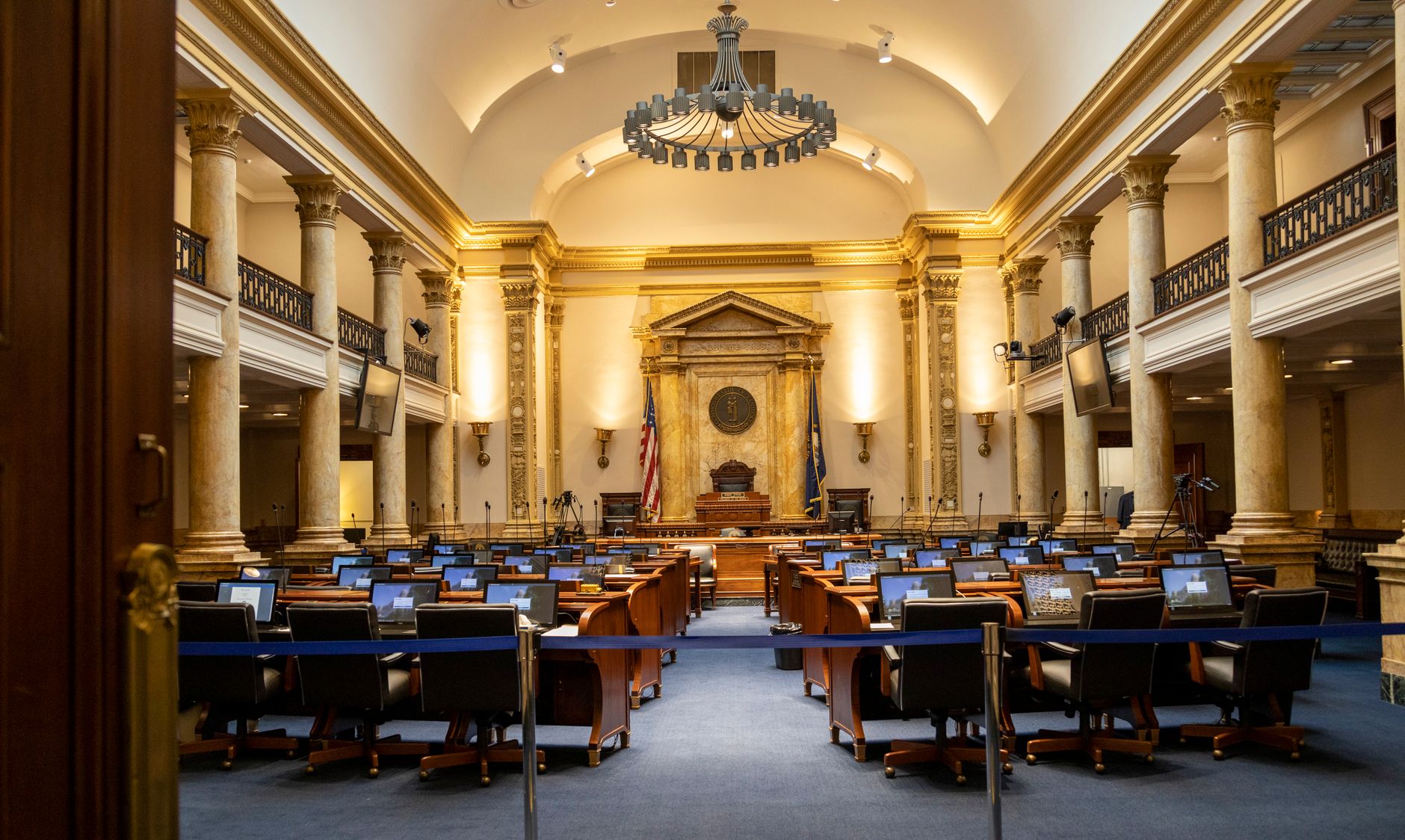
State Sen. Teresa Ibach of Sumner is running for speaker of the Nebraska Legislature on a promise of collaboration. She says trust, open communication and mutual respect will guide her leadership if elected.
The speaker directs Nebraska's unicameral body, its single-chamber Legislature. Ibach announced her bid in a Nov. 8 letter to colleagues, as reported by the Nebraska Examiner in the Nebraska Examiner report.
Table of Contents
- What Ibach pledged to colleagues
- How her bid differs from Kauth's
- Why she points to Lexington
- What decides the race and why it matters
What Ibach pledged to colleagues
Ibach framed her bid around collaboration, transparency and compromise. That account comes from the Kissel, Kohout, ES Associates summary of the Examiner's reporting in the ES Associates summary.
She now serves as vice chair of the Executive Board and Agriculture Committee. She represents District 44 in southwest Nebraska and was just reelected through 2030. Nebraska has never elected a female speaker.
How her bid differs from Kauth's
Her rival, Omaha Sen. Kathleen Kauth, has proposed changes on filibuster limits, debate schedules and priority-bill consideration. Ibach offers a relationship-first contrast centered on working across differences.
North Platte Sen. Mike Jacobson endorsed Ibach after she agreed to run. According to the Nebraska Examiner as carried by 107.7 The Island, he dropped his own conditional speaker interest to seek the Revenue Committee chairmanship instead.
📨 Get Free News Stories Alerts
Free · No spam · Unsubscribe anytime
Why she points to Lexington
Ibach cited Lexington's response to the Tyson Foods beef-plant closure as a model of community collaboration. That example was reported by the Omaha World-Herald and indexed in the Muck Rack article index.
She used the local response to parallel her call for lawmakers to work together. The point is practical: shared problems move faster when local leaders coordinate.
What decides the race and why it matters
Each candidate seeks the 25 votes needed to succeed term-limited Speaker John Arch of La Vista, who is finishing four years leading the body, as noted by Strategic Pioneer in the Strategic Pioneer brief. The winner will help set agendas and debate limits.
That power affects all Nebraskans facing a projected $1.2 billion budget deficit and property-tax pressure. More senators can still enter before that vote, so the two-way race is not final.
- 25 votes are needed to win the speakership
- Senators vote by secret ballot on Jan. 6
- The winner helps set agendas and debate limits
You Might Also Like
- Rebecca Bextel Joins Wyoming Governor Race on Constitution Party Ticket
- Montana GOP Centrists Face Minority on Senate Finance Committee
- Missouri Voters Reject GOP Redistricting Plan, Triggering Likely Republican Challenge