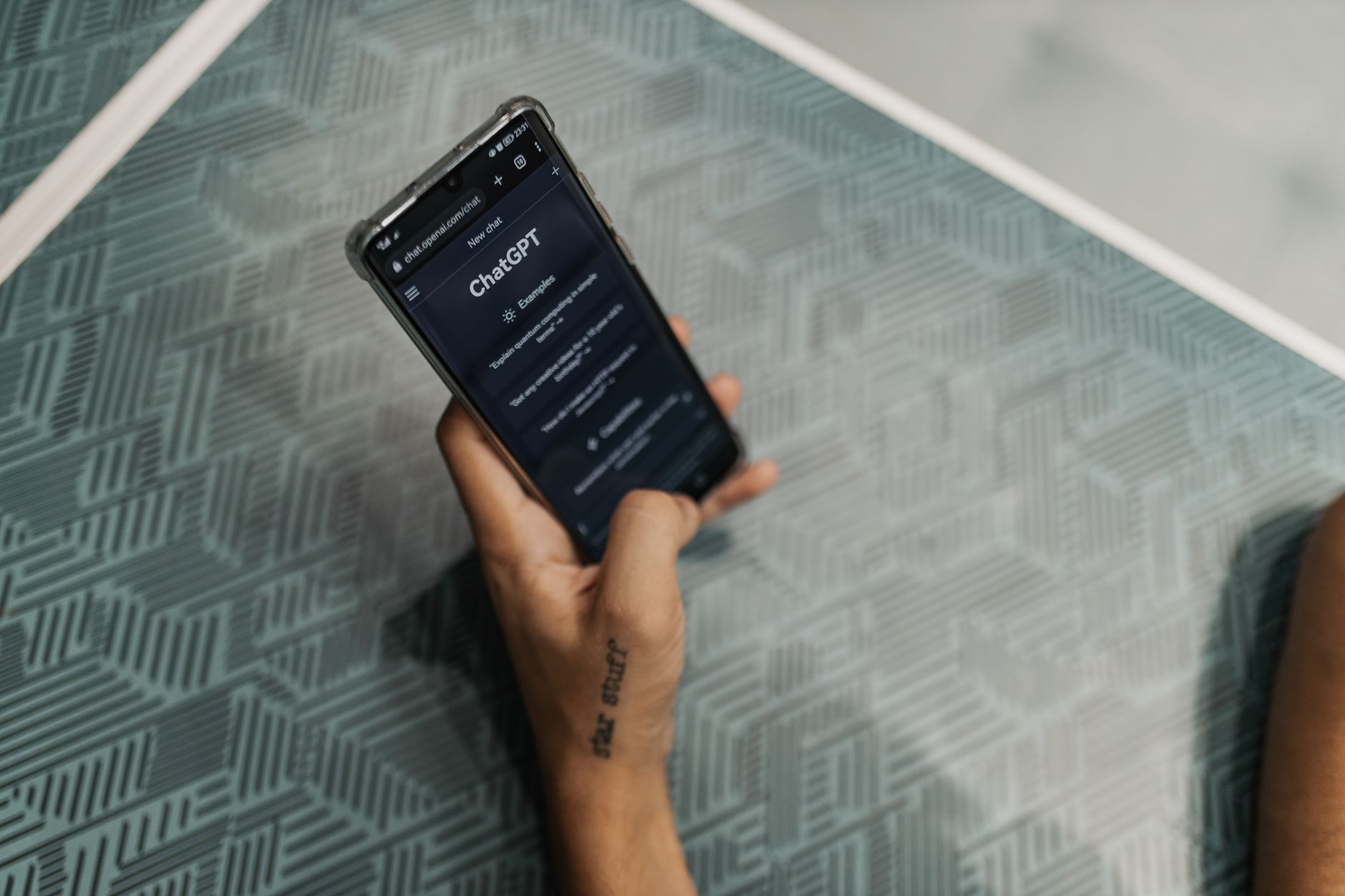
SAN FRANCISCO — Two ChatGPT users have sued OpenAI in federal court, alleging the company sent real user conversations to contractors at an outside staffing firm who read them and graded the chatbot’s responses, without disclosing the practice in the policies users are shown.
The proposed class action, Vredenburgh v. OpenAI OpCo, LLC, No. 3:26-cv-10527, was filed September 16, 2026 by Alexandra Vredenburgh and Paul Coutu in the U.S. District Court for the Northern District of California. It seeks to represent everyone in the United States who has used ChatGPT, free or paid. OpenAI was served September 21 and has until October 13 to respond. The company has not yet addressed the allegations in court, and none has been proven.
What the Lawsuit Alleges
The complaint relies heavily on a September 14 report by 404 Media about a program it identified by the internal code name “Project Lily.” According to the complaint, contractors hired through the staffing firm Crossing Hurdles for roles advertised as “AI data reviewer” and “chatbot evaluator” were shown real prompts, often full conversations. They summarized what the user wanted, rated four ChatGPT responses on a one-to-seven scale and wrote explanations that were used in model development.
The complaint says conversations pass through an automated “Privacy Filter” before reviewers see them, but that the filter’s published documentation describes it as a redaction aid rather than a guarantee. It also alleges reviewers could see a summary of a user’s past ChatGPT activity that could reveal a name or location.
What OpenAI’s Policies Say
The case centers on disclosure. The complaint says OpenAI’s Privacy Policy lists eleven categories of outside companies that receive personal data, none of them a data-labeling or human-evaluation vendor, and that its page on model training does not mention human reviewers.
OpenAI does address human review in a Help Center article titled “Data Usage for Consumer Services FAQ.” In answer to “Do humans view my content?” it says authorized OpenAI personnel and “trusted service providers” may access user content, including “to improve model performance (unless you have opted out).” The plaintiffs argue that answer was placed where consumers were unlikely to find it, inside a collection of about 45 help articles.
Claims and Requested Relief
The suit brings eight claims, including violations of California’s Unfair Competition Law, Consumers Legal Remedies Act, False Advertising Law and Consumer Privacy Act, intrusion upon seclusion and invasion of privacy under the California Constitution. It seeks damages, restitution and punitive damages.
The plaintiffs also ask the court to require opt-in consent before conversations are sent to outside reviewers, to make ChatGPT’s “Improve the model for everyone” setting off by default, to add a warning in the chat window, and to order OpenAI to delete the reviewers’ work and stop using or retrain models built from it.
📨 Get Free News Stories Alerts
Free · No spam · Unsubscribe anytime
Users of ChatGPT Enterprise, Business, Team and Edu accounts and API customers are excluded from the proposed class.
What Comes Next
The case is assigned to Magistrate Judge Alex G. Tse. A joint case management statement is due December 11, and the first case management conference is scheduled for December 18, 2026. No class has been certified, and there is no settlement or claim process.
The lawsuit adds to legal and regulatory scrutiny of OpenAI’s handling of data, including a separate state attorney general inquiry. It follows Apple’s $250 million settlement over delayed Apple Intelligence features, another consumer case tied to how an AI product was presented to buyers. The complaint and case status are tracked at OpenClassActions.com.
Frequently Asked Questions
Who filed the lawsuit against OpenAI over ChatGPT human review?
Two ChatGPT users, Alexandra Vredenburgh and Paul Coutu, filed Vredenburgh v. OpenAI OpCo, LLC, No. 3:26-cv-10527, on September 16, 2026 in the U.S. District Court for the Northern District of California, as a proposed class action on behalf of U.S. ChatGPT users.
Has OpenAI responded to the Project Lily lawsuit?
Not yet. OpenAI was served on September 21, 2026 and its response is due October 13, 2026.
Is there a settlement or claim form?
No. The case is at the complaint stage. No class has been certified and there is nothing to file.
Sources
- Class Action Complaint, Vredenburgh v. OpenAI OpCo, LLC, No. 3:26-cv-10527-AGT (N.D. Cal., filed September 16, 2026).
- Court docket on CourtListener: service on September 21, 2026, the October 13 response deadline and the case management schedule.
- 404 Media, “Inside Project Lily: The Humans Reading Your ChatGPT Chats” (September 14, 2026), the reporting the complaint relies on.
- OpenAI Help Center, “Data Usage for Consumer Services FAQ”; OpenAI Privacy Policy and “How your data is used to improve model performance”.
- OpenClassActions.com: Humans Are Reading Your ChatGPT Chats, New Class Action Claims — case summary, complaint PDF and status tracking.
This article is for informational purposes only and is not legal advice. NewsAccurate is not a law firm and is not affiliated with OpenAI or any party to the case. Everything described here is an allegation in a complaint: OpenAI has not yet responded in court, no class has been certified and no court has decided the merits. There is no settlement and nothing to claim. Anyone asking for a fee to “join” this case is not part of it.